
Global Microscope Procurement & Compliance Audit Framework
Purchasing precision surgical, clinical, and laboratory instruments demands verified end-to-end supply chain oversight. From optical processing tolerances to international customs entry filings, cross-border microscope trade requires uncompromising diligence.
Root Causes of Cross-Border Disputes: Why Audits Cannot Be Omitted
In global medical and laboratory microscope trade, commercial disputes rarely originate from cosmetic damage; they stem from severe structural oversights during procurement. The leading cause of supply chain failure is the discovery that an ostensibly original manufacturer is merely an intermediary trading firm with zero assembly benches, cleanroom facilities, or optical alignment infrastructure. When custom optical tolerances or firmware calibrations fail to perform in hospital surgery rooms, brokers cannot provide corrective design iterations.
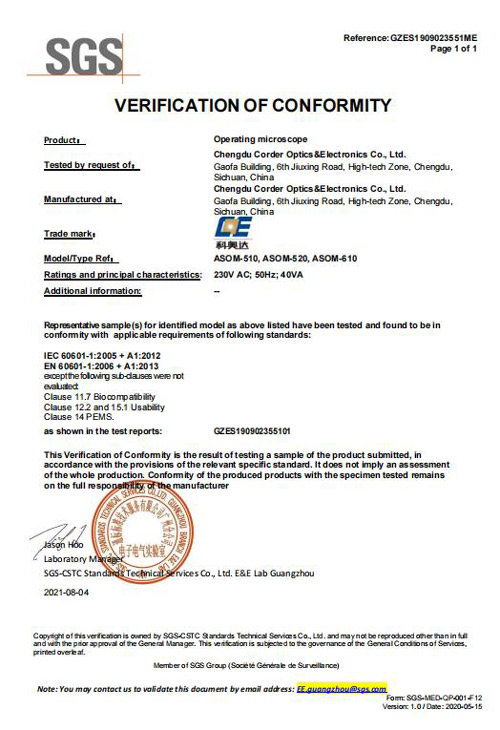
Furthermore, acute regulatory deadlock frequently develops at destination customs ports. Importers face confiscation, warehouse demurrage penalties, or mandatory re-export orders when generic CE or ISO documents presented by unscrupulous vendors do not identify specific model numbers, fail ISO 17025 accredited laboratory electrical safety tests (IEC 60601-1), or carry unauthorized FDA claims. Implementing a pre-shipment onsite factory audit and technical certification audit is the only reliable safeguard to protect capital, hospital reputations, and patient safety.
Microscope Supplier Qualification Verification Guidelines
A systematic audit matrix to vet manufacturer legitimacy, manufacturing capacity, quality credentials, and design depth prior to contract execution.
1. Real Factory vs. Trading Intermediary
Confirm the legal status of the vendor through official enterprise registries and industrial site evaluations. A genuine precision microscope factory possesses its own machine tooling shops, mechanical dust-free assembly lines, optical test benches, and permanent engineering staff.
Intermediary traders typically operate from commercial office suites, lack calibrated optical testing equipment, and cannot support complex technical adjustments during production runs.
2. In-House Optical Processing & Assembly
Microscope accuracy depends heavily on mechanical tolerance and multi-coated glass elements. Verify whether the candidate manufacturer performs optical grinding, lens polishing, multi-layer anti-reflective (APO grade) coating, and optical axis alignment within its own facilities.
In-house optical assembly guarantees that resolving power (>100 lp/mm), depth of field, and parfocality align with exacting clinical standards.
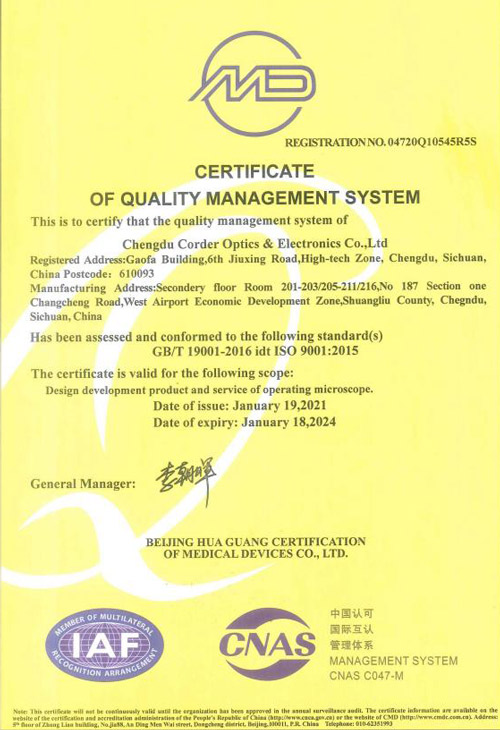
3. Valid ISO 9001 & ISO 13485 QMS
Inspect certificate validity, issuing registrar accreditation (e.g., IAF MLA members), and scope descriptions. ISO 9001 proves standard enterprise quality control, while ISO 13485 is obligatory for medical devices.
Ensure the certificate scope explicitly lists: "Design, development, manufacturing, and distribution of optical surgical microscopes" rather than generic industrial mechanical instruments.
4. Precise CE & FDA Registration Matching
Review compliance documents for specific product family mapping. Under EU MDR 2017/745 or IVDR, the EU Declaration of Conformity and Notified Body certificates must list exact surgical microscope models (e.g., ASOM series).
For US export, confirm the active 510(k) clearance or 21 CFR 878.4700 / 886.1790 Class I Device Listing matches the facility's FDA Establishment Identifier (FEI).
5. Verifiable OEM/ODM Track Record
Examine documented past performance. A tier-one microscope manufacturer provides redacted case studies, Bill of Materials (BOM) management examples, and reference clients across major medical equipment markets.
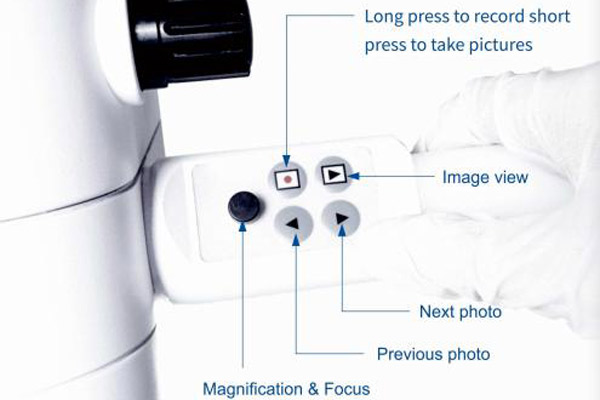
They should show clear capabilities in optical mechanical customization, custom handle-integrated digital interfaces, specialized arm torque balancing, and bespoke branding.
6. Factory Audit Execution & Testing Traceability
Before shipment approval, require either a 3rd-party audit report (SGS, TÜV, Intertek) or a physical factory audit inspection. Audit teams must observe factory burn-in racks for LED cold light sources, electrical dielectric strength testing, vibration transit tests, and coordinate measuring machines (CMM).
Complete serial number traceability must link every optical carrier to its production inspection logs.
Microscope Export Compliance, Shipping & Documentation
A comprehensive overview of shipping paperwork, tariff classifications, and regulatory filings required to clear global borders seamlessly.
Commercial Invoice (CI)
Must precisely specify technical product descriptions, such as: "ASOM-520-D Dental / Surgical Operating Microscope, motorized zoom & focus system". Invoices must disclose unit values, Incoterms 2020 definitions (e.g., FOB Chengdu, CIF Rotterdam, DDP Los Angeles), country of origin, and explicit currency terms.
Packing List (PL) & Modular Details
Because surgical microscopes ship in separate shock-proof carton assemblies, the Packing List must clearly break down individual shipping modules:
Head Module: 595×460×330 mm (11 KG)
Counterbalanced Arm: 1200×545×250 mm (34 KG)
Base Column Assembly: 785×785×250 mm (59 KG)
Certificate of Origin (CO / Form E / Form F)
Essential for regional tariff benefits and compliance. Certificates issued by authorized Chambers of Commerce or Customs authorities confirm preferential origin status under bilateral free trade frameworks (such as RCEP or ASEAN agreements), reducing duties for international buyers.
EU Declaration of Conformity (DoC)
Under European Union MDR 2017/745, manufacturers of surgical microscopes must draft and execute an official Declaration of Conformity. This document references applicable harmonized standards (EN ISO 14971 Risk Management, EN 60601-1 Medical Electrical Safety, EN 60601-1-2 EMC) and identifies the European Authorized Representative (EC REP).
US FDA Device Listing & Prior Notice
For entry into the United States under HS Code 9011/9018, the commercial invoice and customs entry must list the Manufacturer's Establishment Identifier (FEI) alongside the registered Owner/Operator number. Shipments accompanied by inaccurate FDA classifications will encounter immediate automated port-of-entry holds.
Destination-Specific Port Documentation
Select jurisdictions mandate extra consular certifications. This includes Saudi Arabia SFDA MDMA clearances, Brazilian ANVISA approvals, or legalizations through national consulates. In addition, international wood packaging must carry standard ISPM-15 heat-treatment stamps.
Enterprise Background & Certified Manufacturing Excellence
Chengdu CORDER Optics & Electronics Co., Ltd., rooted in decades of advanced optical design, maintains fully validated ISO 9001 and ISO 13485 production centers.
Chengdu CORDER Optics & Electronics Co., Ltd.
As an optical enterprise associated with The Institute of Optics & Electronics, Chinese Academy of Sciences (CAS), CORDER pioneered precision surgical microscopes starting in the 1970s. Decades of engineering advancements have established an optical portfolio spanning surgical operating microscopes, optical detection instruments, photolithography units, telescopes, and retina adaptive optics imaging systems.
Operating under strict ISO 9001 and ISO 13485 medical device quality management frameworks, our production lines manufacture surgical microscopes for Dental, ENT, Ophthalmology, Orthopedics, Plastic Surgery, Spine, and Neurosurgery departments worldwide.
Engineering Mastery & Global OEM/ODM
Our senior optical, mechanical, and electrical engineering teams design advanced configurations in response to emerging surgical needs. From 0-200° inclinable binocular tubes to integrated Sony 4K/Full HD digital recording matrices, we support responsive OEM/ODM modifications.
Led by master optical technicians with over 20 years of shop-floor experience, each instrument undergoes rigorous optical collimation and safety checks. We back our global distributors with lifelong technical support, spare parts availability, and online engineer training.
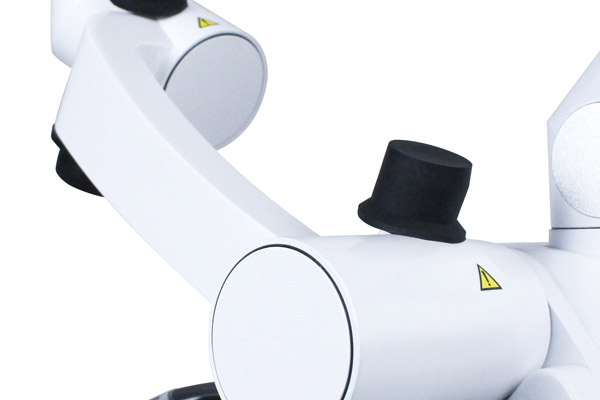
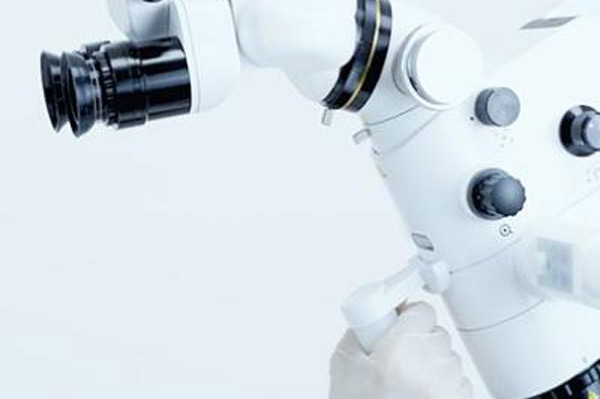
Technical Architecture: ASOM-520-D Surgical Microscope
Engineered for restorative dentistry, endodontics, periodontics, and implant surgery, as well as neurosurgery and ENT applications.
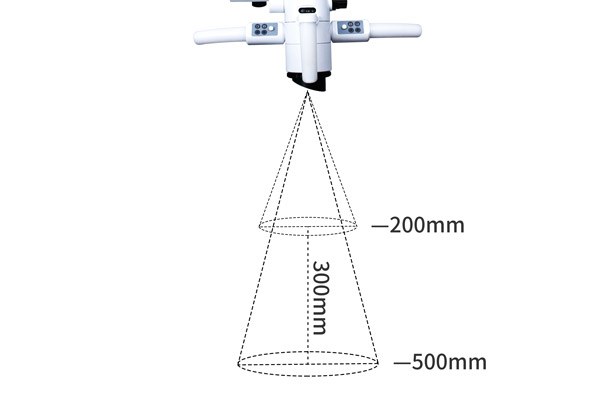
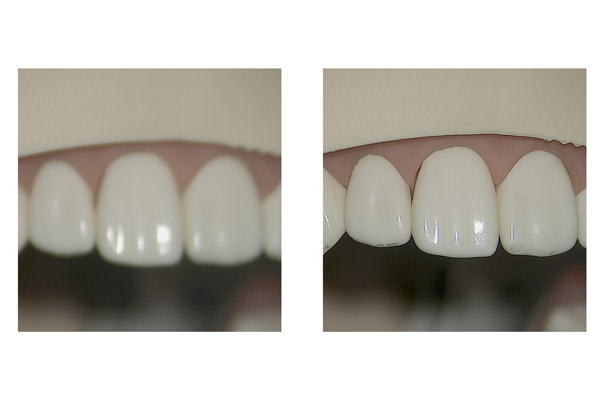
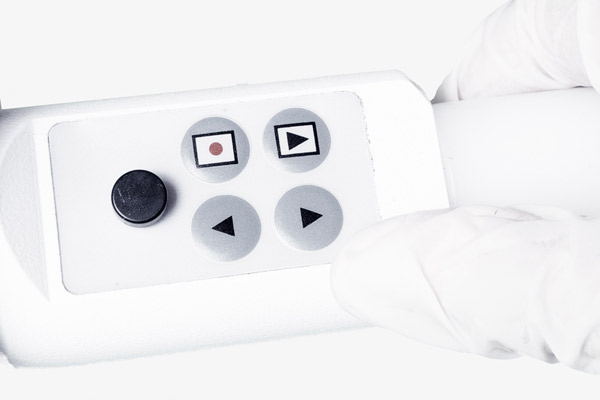
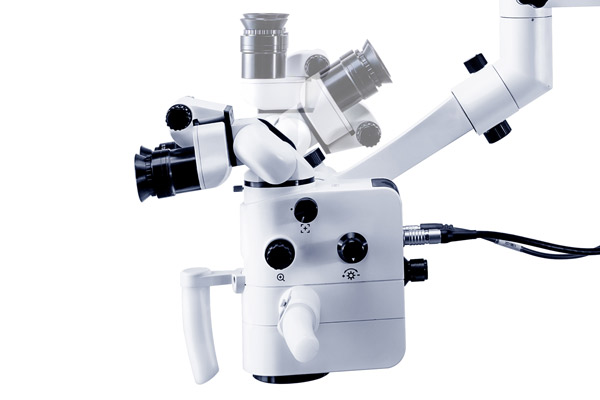
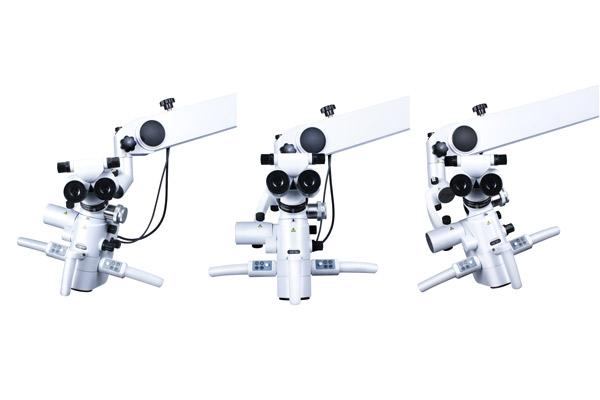
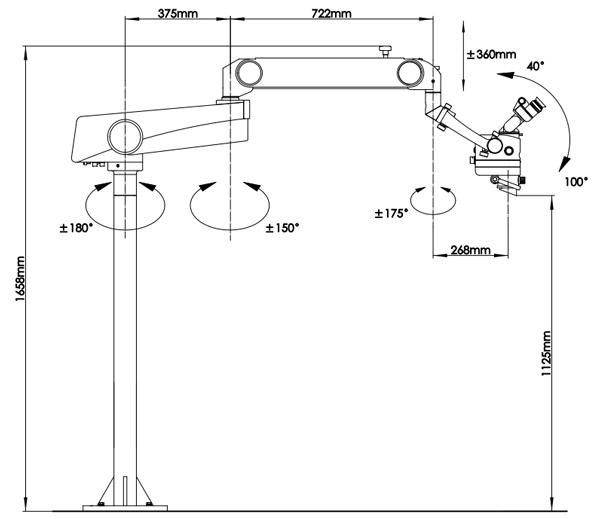
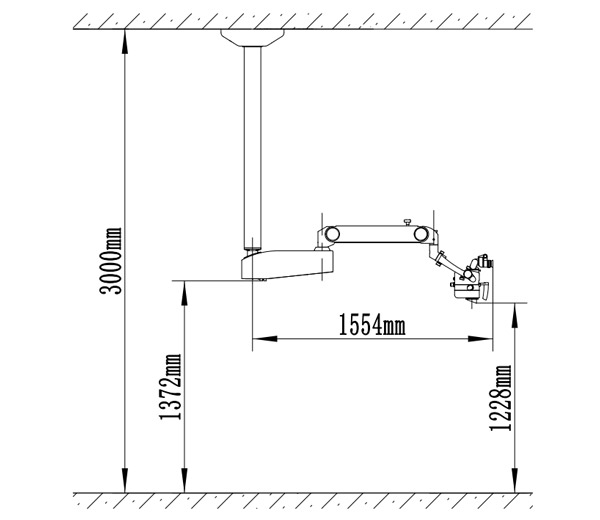
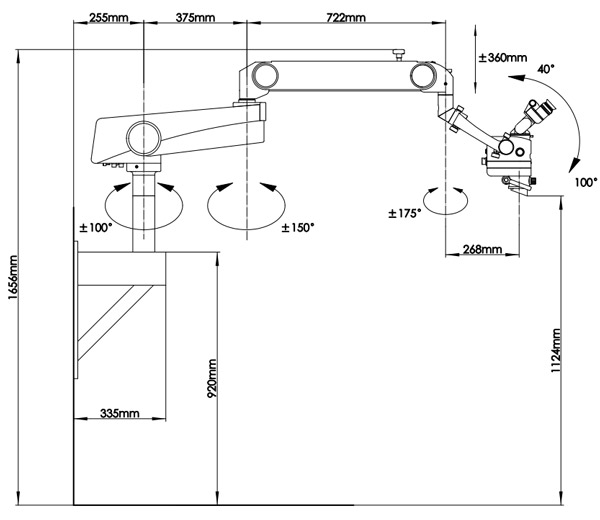
Versatile Surgical Mounting Configurations
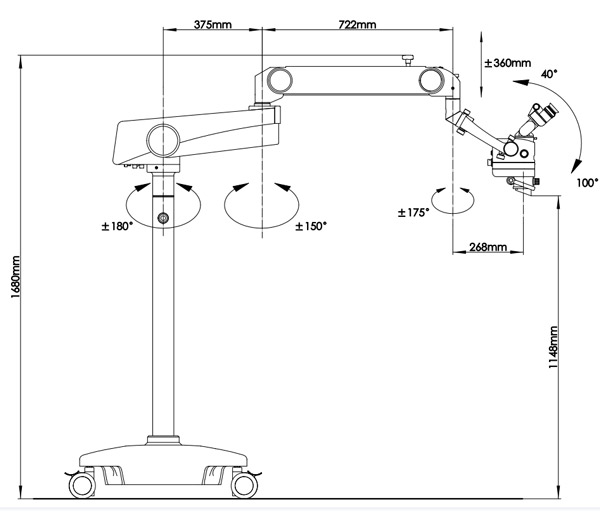
Engineered to adapt to surgical suites, outpatient clinics, and teaching hospitals.
Technical Specifications: ASOM-520-D Series
Complete electro-optical, mechanical, and environmental parameters for clinical procurement evaluation.
| Parameter Category | Engineering Specification Values |
|---|---|
| Base Model / Clinical Function | ASOM-520-D | Primary: Dental / ENT / Plastic / Neurosurgery / Spine |
| Electrical Characteristics & Safety Rating | |
| Power Input / Frequency | 220V (+10% / -15%) 50Hz / 110V (+10% / -15%) 60Hz |
| Power Consumption / Safety Class | 40 VA Total Draw | Class I Medical Device Insulation Standard |
| Optical Head & Visualization Systems | |
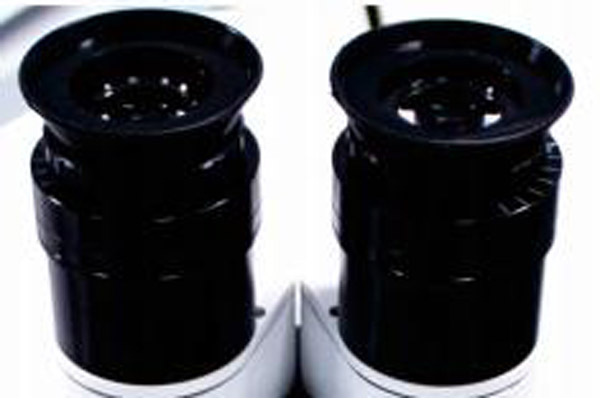
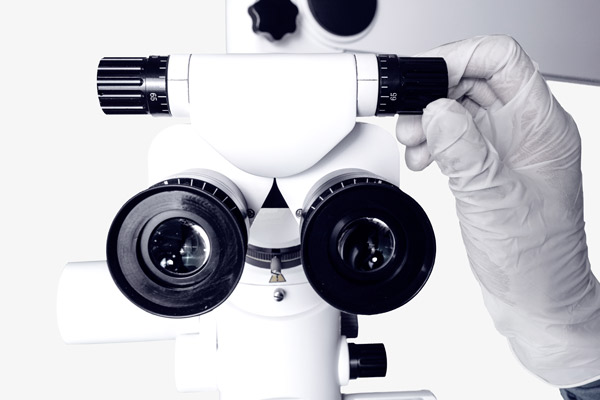
| Binocular Observation Tube | 0-200° Continuously Inclinable Ergonomic Binocular Tube |
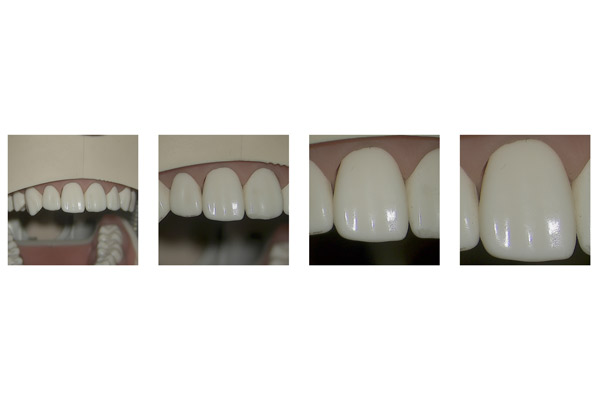
| Magnification Ratio & Total Range | Motorized continuous handle drive (0.4x - 2.4x ratio), Total Magnification: 2.5x - 21x |
| Stereo Base / Eyepiece Optics | 22 mm Stereo Base | 12.5x & 10x High-Eyepoint Widefield Eyepieces |
| Motorized Objective Working Distance | Motorized continuous focus: F = 200 mm - 500 mm (Focus travel: 120 mm) |
| Interpupillary & Diopter Adjustment | Pupil Distance: 55 mm - 75 mm (<1mm accuracy) | Diopter: +6D to -6D |
| Field of View Diameter | Diameter Φ78.6 mm down to Φ9 mm |
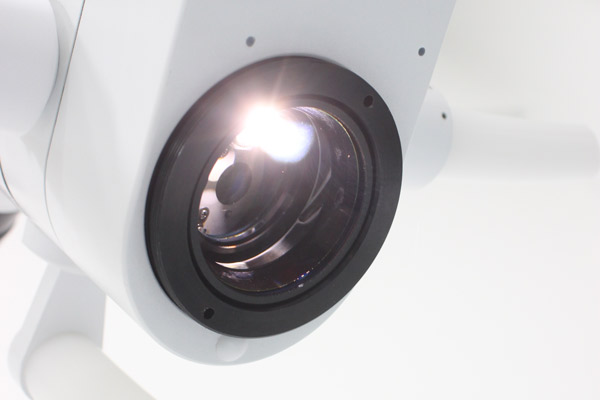
| Illumination Engine | Medical LED Cold Light source >100,000 hrs life; Illuminance >60,000 Lux; CRI >90 |
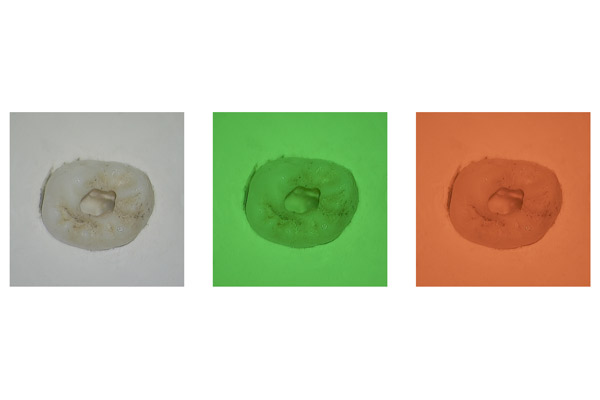
| Integrated Optical Filters | OG530 Amber Filter (anti-curing), Red-free Green Filter, Micro-spot selector |
| Balance Articulation | 120° Free-motion Balance Arm with built-in automatic switching logic |
| Integrated Camera Module | Built-in Full HD 1/1.8-inch SONY Sensor; Handle-operated recording directly to USB media |
| Mechanical Support Stand & Ergonomics | |
| Max Extension Arm Reach | 1100 mm Reach Extension |
| Base Dimensions & System Weight | Base: 680 mm × 680 mm | Total Gross Operational Weight: 108 KG |
| Carrier Balancing Range | Counterbalanced from minimum 3 KG up to maximum 8 KG optical carrier loading |
| Braking & Mounting Versatility | Fine-tuned mechanical friction brakes | Options: Mobile Stand, Floor Plate, Ceiling, Wall |
| Operating & Transport Environmental Limits | |
| Operating Ambient Parameters | +10°C to +40°C | 30% to 75% Relative Humidity | 500 mbar to 1060 mbar Pressure |
| Storage & Transport Parameters | -30°C to +70°C | 10% to 100% Relative Humidity | 500 mbar to 1060 mbar Pressure |
| Installation Floor Constraints | Enclosed cleanrooms; Flat ground surfaces with maximum 0.3° gradient or reinforced wall/ceiling mounts |
Regulatory Verification & Supplier Auditing FAQ
Expert answers addressing the practical regulatory, customs, and technical questions biomedical importers ask.
How can an importer independently verify the authenticity of an ISO 13485 certificate?
Always request the official Certificate Number and Registrar Name directly from the factory. Authentic ISO 13485 certificates are registered within the IAF CertSearch database (International Accreditation Forum) or via the accredited certifying body's portal (e.g., BSI, TÜV Rheinland, SGS, DQS). Ensure the accredited body is a recognized signatory of the IAF Multilateral Recognition Arrangement (MLA). Check that the organization name matches the actual manufacturing facility, verify the valid period, and confirm the scope explicitly covers surgical operating microscopes.
Do non-medical, educational, or industrial inspection microscopes require ISO 13485?
No. ISO 13485 is tailored specifically to Medical Devices and their risk management principles. For educational, biological research, metallurgy, or semiconductor inspection microscopes, standard ISO 9001 certification suffices. However, if a microscope will be marketed or utilized for surgical intervention, clinical dental procedures, or in-vitro diagnostic workflows, authorities (US FDA, EU MDR, UK MHRA) mandate ISO 13485-compliant quality management systems for regulatory entry.
Should FDA Establishment Registration be handled by the overseas factory or the domestic US importer?
Both parties share distinct legal obligations. The foreign manufacturing facility must execute an FDA Establishment Registration and appoint a designated US Agent, registering their product under specific Medical Device Listings (e.g., 21 CFR 878.4700 for surgical operating microscopes). In parallel, the domestic US Importer must maintain an active Initial Importer registration with the FDA. Shipments without a matching foreign registration and valid importer filing will be detained at US ports.
What are the absolute minimum non-negotiable checks in an onsite microscope factory audit?
A rigorous factory audit must inspect at least four critical operational areas: (1) Optical Calibration and Cleanliness: Onsite optical test benches, dust-free assembly booths, and optical axis alignment devices; (2) Electrical Safety & Stress Testing: High-voltage dielectric strength equipment, ground continuity, and LED burn-in racks; (3) Traceability & Calibration: Valid calibration records for assembly torque wrenches and precision instruments, cross-referenced with serialized traveler cards; and (4) Packaging & Shock Testing: Packaging drop-test records that verify optics, counterbalanced arms, and heavy floor bases arrive free of transit alignment shifts.
Submit Target Market and Product Type to Obtain Compliance Document Checklist and Factory Audit Points
Coordinate directly with our biomedical export specialists to review destination regulatory requirements, receive complete CE / ISO verification packages, or book a factory audit inspection for your team.
Contact Our Export Compliance Team


