

Accurate Vision, Reshaping Vitality – The Core Value of Surgical Microscopy in Brain Tumor Microsurgery
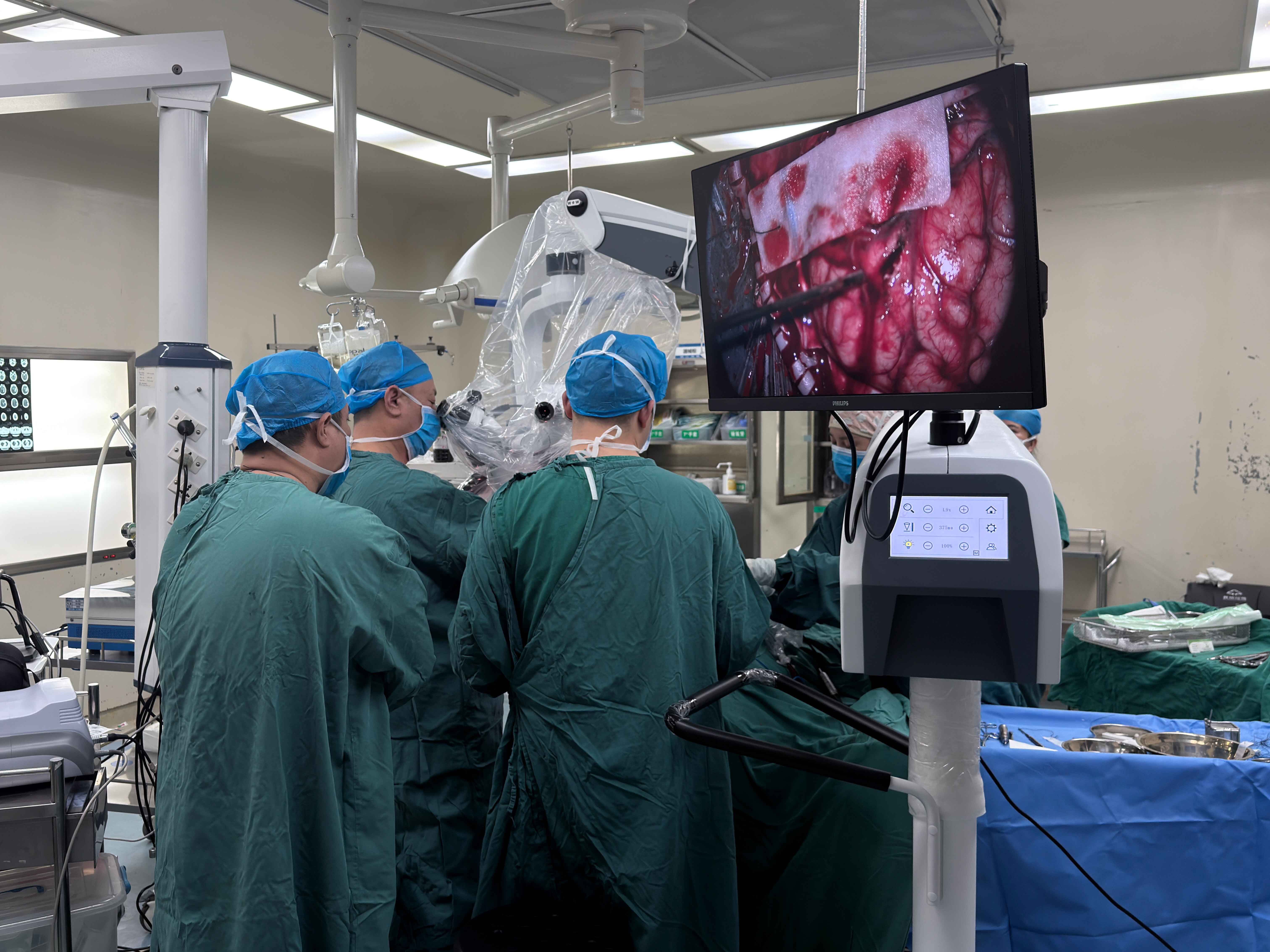
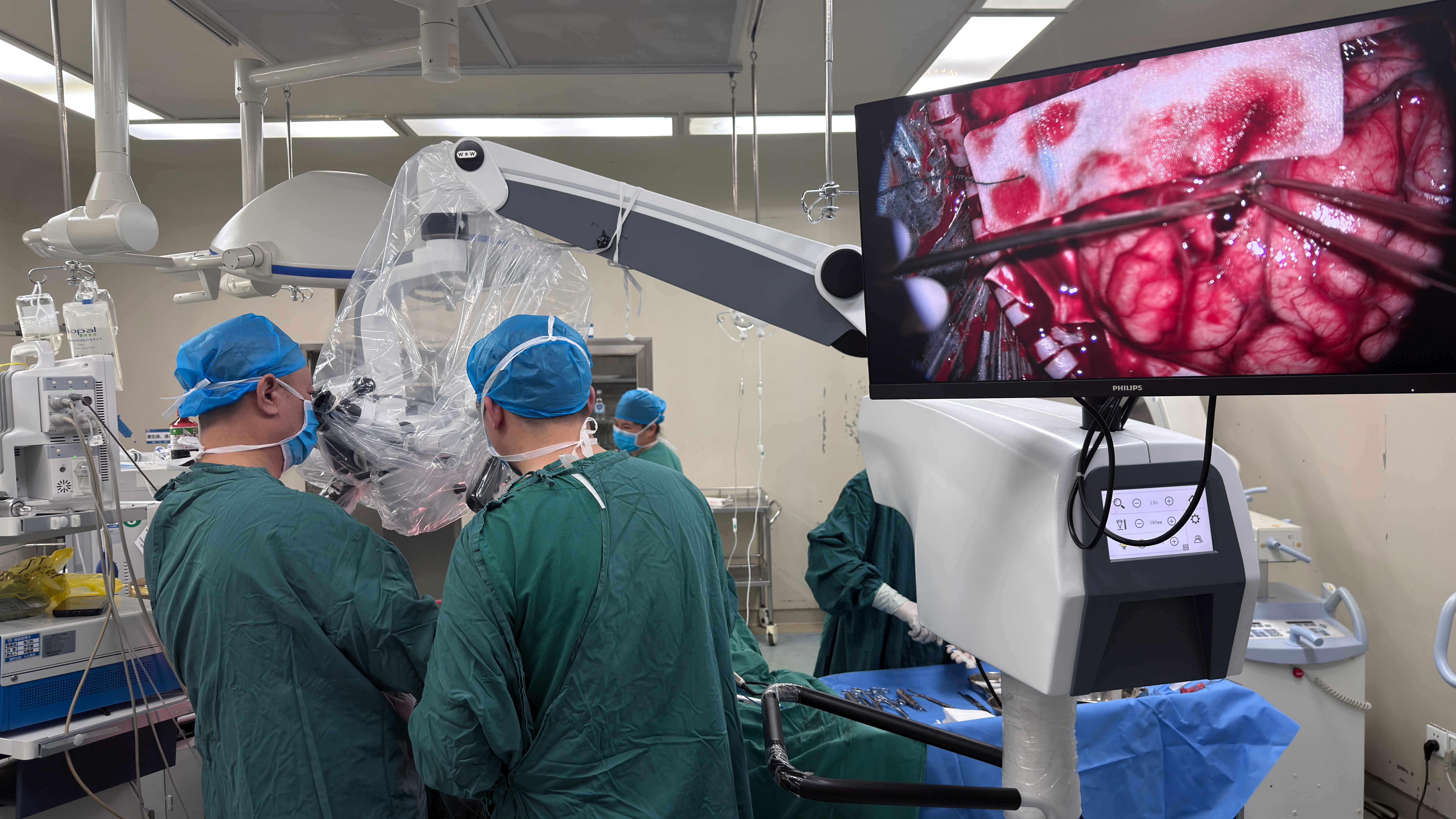
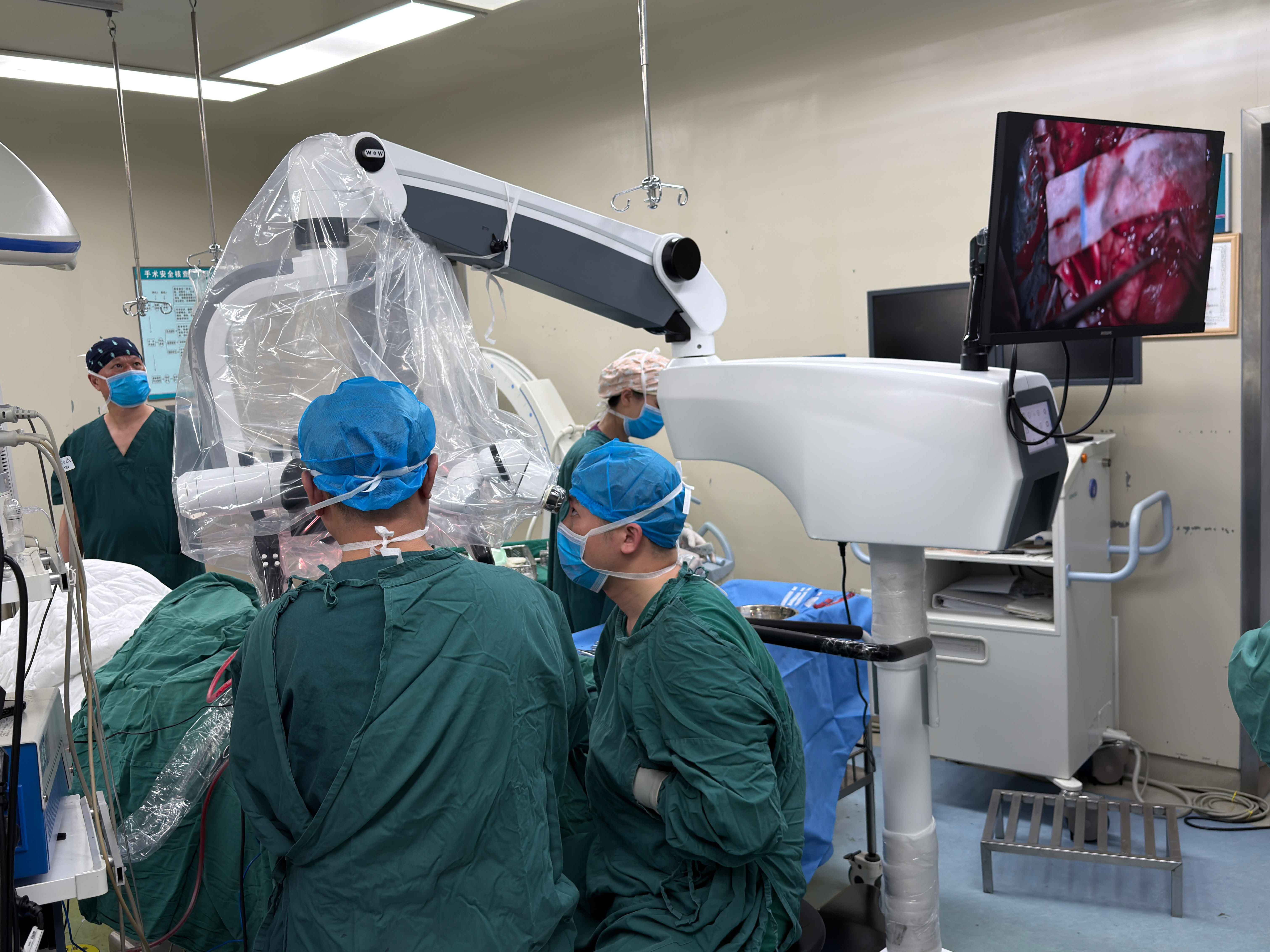
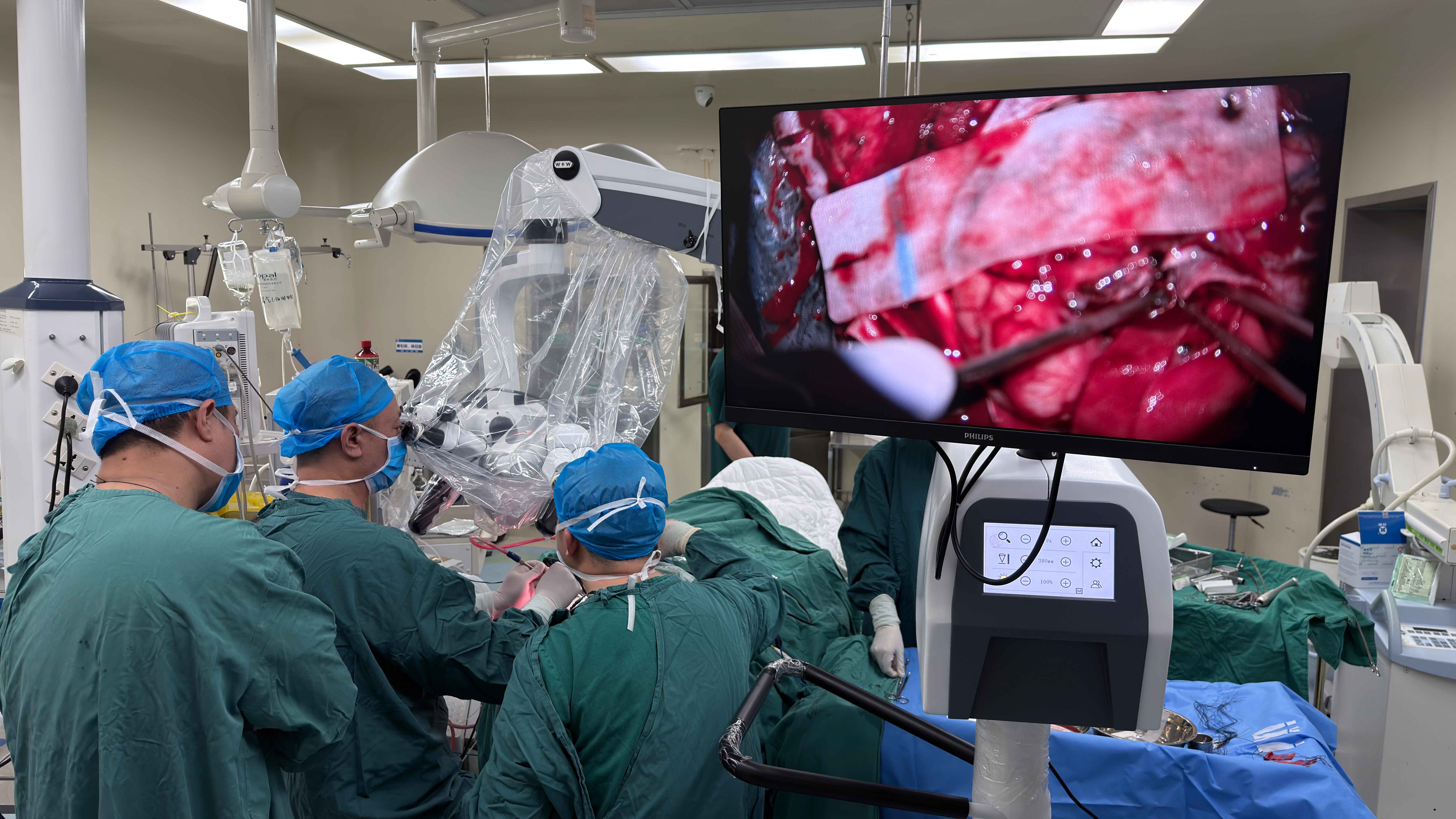
In an operating room equipped with advanced medical equipment, two surgeons are performing brain tumor microsurgery using the ASOM neurosurgical microscope manufactured by Chengdu CORDER Optics&Electronics Co., Ltd. On the display screen of the surgical microscope, the magnified surgical field clearly presents the details of tumor tissue, the distribution of surrounding blood vessels, and the precise trajectory of instrument operation. This scene vividly embodies the modern neurosurgical treatment concept of "microscopy and precision", and the advantages of surgical microscopes as the core tool are fully demonstrated in this highly difficult brain tumor resection.
1. Ultra high magnification, breaking the limit of the naked eye
The anatomical structure of brain tumors is complex, and it is difficult for the naked eye to distinguish the boundaries between tumors and normal brain tissue, blood vessels, and nerves. The surgical microscope magnifies the surgical field of view by tens of times through an optical magnification system, allowing doctors to clearly observe the morphology of tumor cells, subtle branches of blood vessels, and the course of nerve bundles. For example, when dealing with tumors in "forbidden zones" such as the brainstem or skull base, the magnification function of the microscope allows doctors to accurately identify the "tumor infiltration zone" and the "normal functional zone", avoiding misjudgment.
2. Stereoscopic vision, restoring three-dimensional anatomy
The field of view of traditional open surgery is flat, while the binocular vision provided by surgical microscopes can simulate the natural observation angle of the human eye and restore the three-dimensional spatial relationship of tissues, blood vessels, and nerves. In brain tumor resection, this characteristic is crucial: doctors can more intuitively judge the three-dimensional adjacency of "tumor blood vessel nerve", accurately separate the tumor from important structures (such as motor nerves and language centers) like a "bomb", and significantly reduce the risk of "accidental injury to normal tissues".
3. Lighting optimization to eliminate visual blind spots
The neurosurgical surgical microscope is equipped with a cold light source illumination system, which can accurately focus the light on the surgical area, with uniform brightness and no obvious shadows, and can clearly illuminate deep tumors or narrow surgical areas. Compared to ordinary surgical lights, the illumination of microscopes is more "deep" and "soft", which not only avoids additional damage to brain tissue caused by strong light, but also ensures that doctors can see details clearly from any angle, even in deep operations.
4. Improved operational accuracy, achieving "millimeter level" or even "sub millimeter level" resection
One of the core challenges of brain tumor surgery is "maximizing safe resection" - to remove the tumor as much as possible while protecting normal brain function. The high resolution and magnification effect of surgical microscopes enable doctors to increase their operational accuracy from "centimeter level" to "millimeter level" or even "sub millimeter level": instruments such as microscope scissors, suction devices, and electrocoagulation forceps can accurately separate the "false capsule" of tumors from normal brain tissue under microscope guidance, ligate small blood vessels, and even process perforating blood vessels with a diameter of only 0.1-0.2mm, minimizing bleeding and neurological damage to the greatest extent possible.
5. Empowering teaching and collaboration to promote technological inheritance
In the operating room, the monitor output function of the operating microscope can share the magnified field of view in real-time with the team or teaching observers. Young doctors can learn key steps such as tumor identification, vascular separation, and neuroprotection clearly through the screen; Multidisciplinary teams (such as anesthesia and neuroelectrophysiological monitoring) can also synchronously observe the surgical process and collaborate to adjust strategies (such as pausing operations based on electrophysiological feedback to protect neurological function). This "visualization+sharing" feature accelerates technology inheritance and team collaboration efficiency.
6. Less trauma, accelerating patient recovery
The essence of microsurgery is "minimally invasive" - surgical microscopes allow doctors to complete operations with smaller incisions and shallower wounds. Due to clear vision and precise operation, there is no need to excessively stretch normal brain tissue, resulting in reduced risk of postoperative brain edema and infection, and faster recovery for patients. This is also the core support for the transformation of modern brain tumor surgery from 'giant trauma' to 'minimally invasive'.
Conclusion: The Art of Life Under a Microscope
During this surgery, the clear field of view magnified by the microscope and the detailed presentation on the monitor jointly interpreted the core value of the surgical microscope in brain tumor microsurgery - it is an extension of the eye, allowing doctors to break through physiological limits; It is a 'precise ruler' that guards the bottom line of neural function; It is also the engine of minimally invasive revolution, driving the development of brain tumor treatment towards safer and more efficient directions.
With the further upgrading of optical technology and digital imaging (such as 3D microscopes and fluorescence navigation), surgical microscopes will continue to play a "core pillar" role in neurosurgery, bringing the hope of "precise resection, functional preservation, and rapid recovery" to more brain tumor patients.
Post time: May-11-2026


