

Surgical microscope: the “smart eye” of modern precision medicine and new market trends
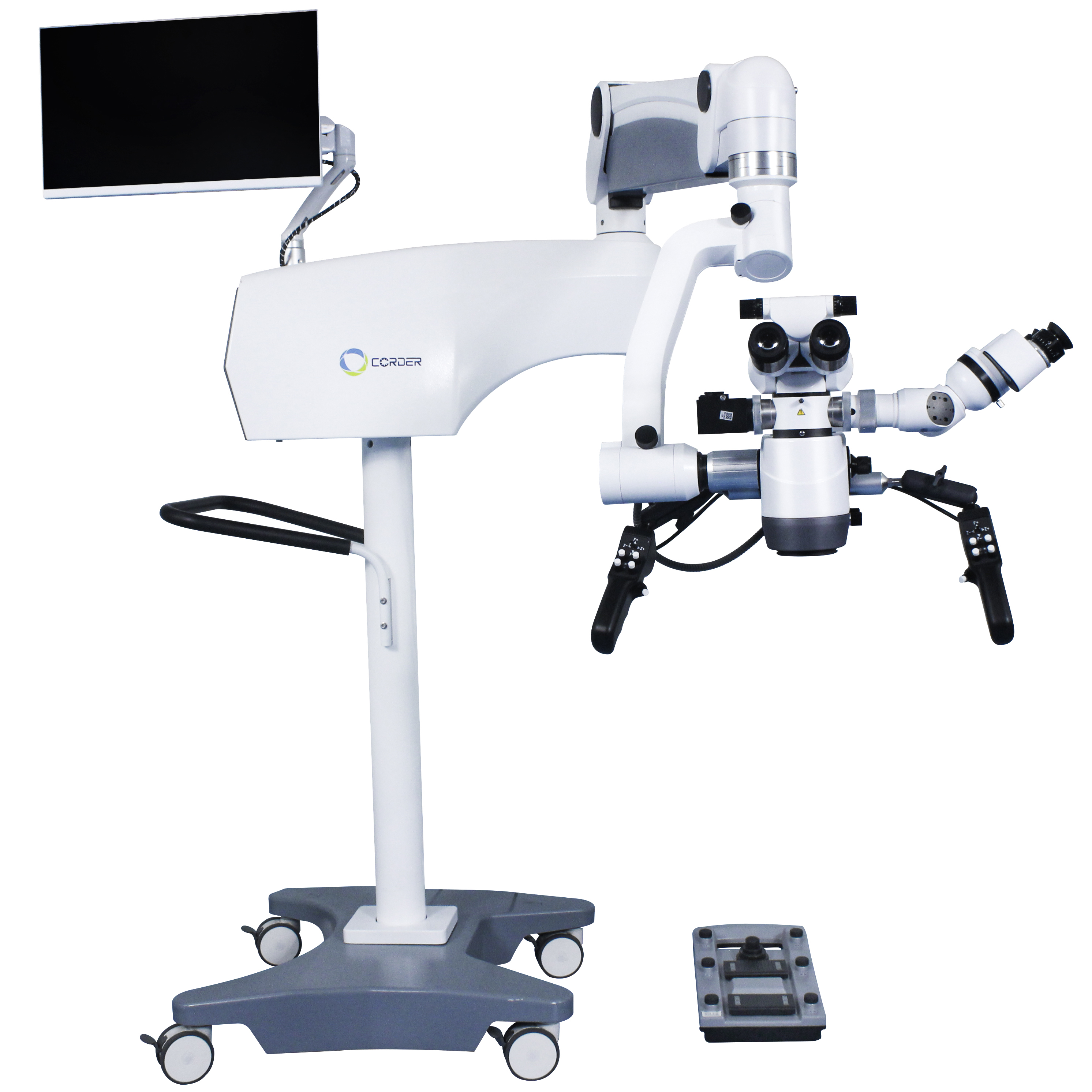
In the evolution of modern medicine from macro to micro and from extensive to precise, operating microscopes have become an indispensable core device. This type of precision instrument completely changes the appearance of surgical procedures by providing high brightness, high resolution, and stereoscopic magnification of the surgical field, allowing doctors to clearly identify subtle tissues and vascular structures that are difficult for the naked eye to distinguish, thereby greatly improving the accuracy and safety of surgery. From fine operations in neurosurgery to root canal preparation for pulp treatment, the application of surgical microscopes is constantly expanding, and the surgical microscope market behind it is also showing a trend of diversification, specialization, and intelligence.
In the highly precise field of neurosurgery, neurosurgical microscopes play a crucial role. It mainly consists of an illumination system and an amplification system, which can provide excellent illumination and stereoscopic imaging for deep intracranial or narrow surgical fields. When performing complex microsurgery or treating cerebral vascular lesions, a high-performance microscope for vascular neurosurgery can help surgeons clearly separate, clamp, or anastomose blood vessels as thin as hair strands, effectively reducing surgical risks. Modern neurosurgical operating microscopes typically integrate high-definition camera systems that can record and preserve surgical procedures, greatly facilitating teaching and academic exchange.
The same precision revolution has also occurred in the field of dentistry. The rise of microscope dentistry, especially the increasingly affordable price of endodontic microscopes, has enabled more clinics to apply microscopy technology to routine treatments. In root canal treatment, the microscope can magnify the root canal system dozens of times, allowing doctors to easily locate additional root canals, diagnose tiny root fissures, and achieve "microscope for microsurgery" level debridement and filling. The continuous growth in demand for the best high-recognition dental microscopes for microbiology in the market has driven dental microscope manufacturers to continuously iterate their technologies. For some institutions with limited budgets, second-hand dental microscopes for sale have also become a practical choice, forming an active secondary market. At the same time, the ENT field has also widely benefited from devices such as the binocular ent microscope, providing clear vision for fine surgeries on the nasal cavity, throat, and ears.
In obstetrics and gynecology, colposcopy is a crucial step in the screening and diagnosis of cervical cancer. The traditional binocular colposcopy provides doctors with a magnified view of the cervix through binoculars to evaluate abnormal areas. The optical video colposcope, born from technological development, goes even further. It transmits images in real-time to high-definition displays through built-in cameras, which not only facilitates teaching and consultation, but also permanently records examination images, improving the standardization level of diagnosis. The popularity of such devices is an example of the penetration of surgical microscope technology into a wider range of diagnostic fields.
A significant trend in the current surgical microscope market is the coexistence of high specialization and flexible scalability. Equipment specifically designed for spinal surgery equipment systems, such as the spine microscope, has emerged for specific anatomical sites and surgical procedures. They can be efficiently integrated with navigation and power systems to cope with complex spinal degeneration, deformities, and other surgeries. On the other hand, the modular design concept of the equipment has deeply penetrated people's hearts. For example, an upgraded ophthalmology microscope allows hospitals to gradually add modules such as fluorescence imaging and OCT based on current needs and future plans, protecting initial investments and extending the technological lifecycle of equipment. Surgical microscopy cameras have also become almost a standard configuration for high-end models, achieving digital management of surgical images.
Another driving force of the market comes from the pursuit of accessibility and convenience. Although traditional floor standing large microscopes have powerful functions, they have problems with inconvenient mobility and time-consuming deployment. Therefore, compact and flexible portable operating microscopes have begun to be favored by day surgery centers and small clinics. Although these devices may compromise on magnification and functionality, they are sufficient to meet the needs of many basic microsurgery procedures and lower the entry barrier for high-end technology applications.
The globalized supply chain and active industry exchanges jointly shape the market landscape. Medical institutions will comprehensively evaluate the solutions of multiple operating microscope suppliers during procurement. Platforms like medical equipment expo, such as the annual China International Medical Equipment Fair (CMEF), have become important hubs for showcasing the latest technologies, gaining insights into industry trends, and facilitating trade cooperation. Here, from the basic binocular operating microscope to the next-generation microscope surgical system integrated with artificial intelligence assistance, the industry's innovative vitality is fully demonstrated.
In summary, surgical microscopes have evolved from an auxiliary tool to a core engine driving the development of modern precision surgery. Its market is rapidly evolving along two paths: deep specialization and broad popularization. In the future, with the further integration of optical technology, digital integration, and artificial intelligence, surgical microscopes will continue to expand the boundaries of their capabilities, providing more patients with less traumatic and more effective treatment options, while also creating sustained growth value space for the global medical equipment industry.
Post time: Dec-15-2025


